

Lowland Fen
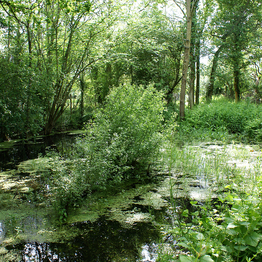
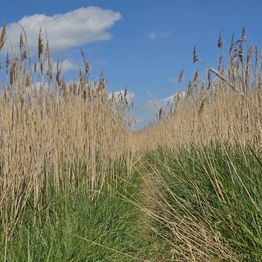
Lowland fens are among the most species-rich habitats in Britain and among the most threatened. They develop in permanently or seasonally waterlogged conditions, where peat accumulates over centuries, driven by the balance between water inputs, vegetation growth, and decomposition. The result, where conditions have remained undisturbed, is an extraordinarily complex mosaic of vegetation communities – open water, swamp, tall herb fen, fen meadow and carr woodland – each supporting its own assemblage of specialist plants, invertebrates and birds.
Suffolk’s most important fen systems are concentrated in the river valleys of the Waveney and Little Ouse, connecting to the broader Norfolk Broads system. Redgrave and Lopham Fen, at the headwaters of both rivers, is the largest remaining valley fen in England and a site of European importance. It is the last British site for the fen raft spider (Dolomedes plantarius), one of the largest and rarest spiders in the UK, and an LNRS key species. The fen orchid (Liparis loeselii), the assemblage’s flagship species, is an indicator of the calcareous, disturbed fen conditions that are produced only by careful and sustained management – principally water level control, cutting and the prevention of scrub encroachment. Where management lapses, fen habitats rapidly transition to carr woodland, and the open-fen communities are lost.
Lowland fens also function as significant carbon stores, water-quality filters, and flood buffers. The peat soils that underlie them have accumulated over thousands of years and, once oxidised through drainage, release carbon at rates that make drained fenland one of the most significant contributors to agricultural greenhouse gas emissions. Their protection and restoration are therefore important not only for biodiversity but as a nature-based response to climate change.
Suffolk’s Fen Habitats
Key
A conservation priority in Suffolk’s Historic Biodiversity Action Plan.
A key habitat for recovery under Suffolk’s Local Nature Recovery Strategy.



Associated habitats
Calcareous fens and fen meadows: Calcareous fens develop where calcium-rich water – often draining from chalk or limestone – creates permanently wet, base-rich conditions that support a specialised and species-rich plant community. Meadows associated with these fens can hold extraordinary diversity, with fen orchids, marsh helleborine, grass of Parnassus and rare sedge species recorded at the best Suffolk sites. These habitats are highly sensitive to changes in hydrology and water quality.
Fen carr: Fen carr is wet woodland that develops naturally when open fen is left unmanaged, with alder, willows and buckthorn typically forming the canopy over a waterlogged, tussocky understorey. Although it represents a successional stage that can reduce open fen diversity, fen carr is itself an important habitat for specialist invertebrates, mosses, lichens and birds such as lesser spotted woodpecker. Its role as a buffer between open water or fen and drier ground also has hydrological value.
River valley fens and fen edges: The margins and transition zones of river valley fens – where peat grades into drier ground or where flooding is more episodic – support plant and invertebrate communities distinct from the core fen. These fen-edge habitats often include tall herb communities, rush pastures and wet woodland fragments, providing additional structural diversity. They can be particularly important for dragonflies, wetland beetles and a range of breeding waders.
Wet grassland and rush pasture: Damp and wet grasslands managed by grazing or cutting provide important feeding and nesting habitat for wetland birds, particularly breeding waders and wintering wildfowl. Rush pastures – dominated by soft rush or sharp-flowered rush and often interspersed with sedges and moisture-loving herbs – form a distinct component of this habitat type and support a specialised invertebrate fauna. These habitats depend on maintained high water levels and careful management to prevent scrub encroachment.
Image: Redgrave and Lopham Fen © Natural England/Peter Wakely