
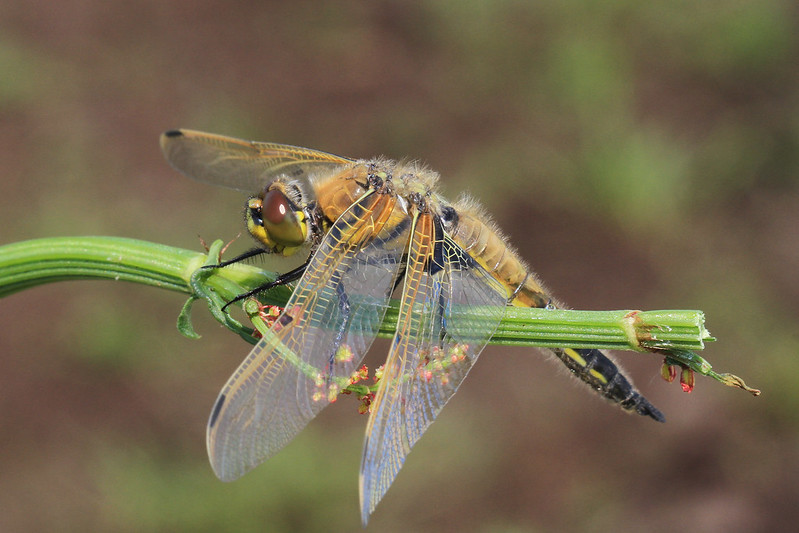
Suffolk’s Priority Dragonfly and Damselfly Species
Key
Listed as a conservation priority in Suffolk’s Biodiversity Action Plan.
Closely associated with Suffolk’s landscape and natural identity.
Identified as a key priority for recovery under Suffolk’s Local Nature Recovery Strategy.
Has a Species of the Month article attached.
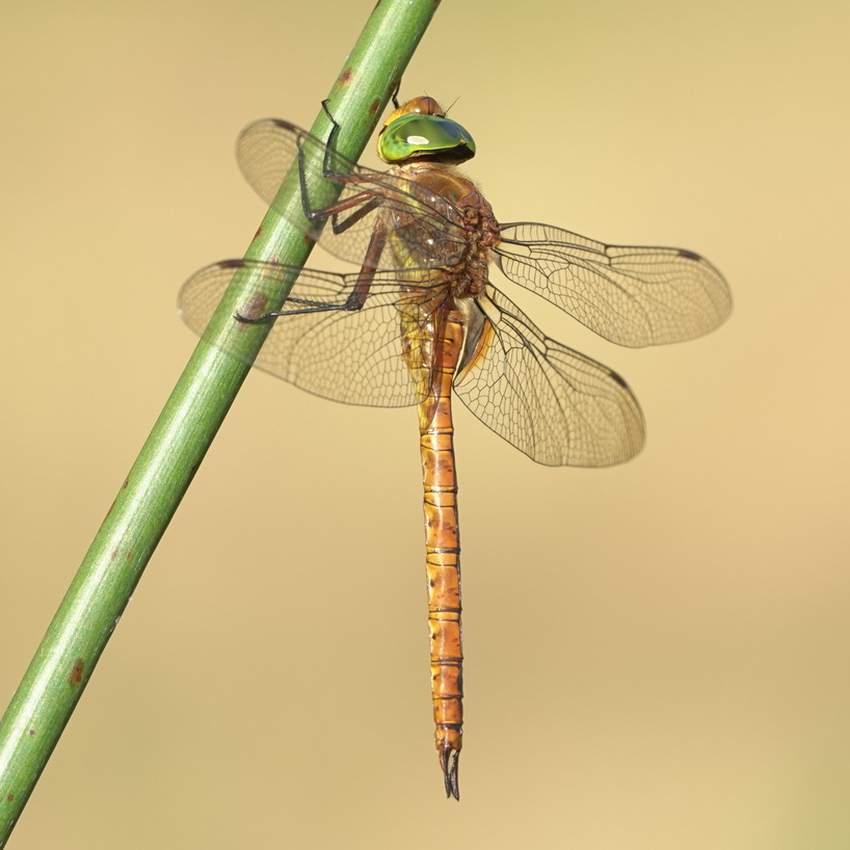
Guidance on identification and recording can be found on the British Dragonfly Society website, and our own Species Identification Guides page is well worth a look. The Suffolk Local Dragonfly Group has collected thousands of records for a completely new issue of Suffolk Dragonflies (sample below).
Major Publications
- Suffolk Dragonflies. Mason & Parr (2016, SNS)
- Suffolk Dragonflies – An Atlas and History. Mendel (1992, SNS)
- The Dragonflies of Suffolk. C. Morley (1929) vol. 1
Papers from Suffolk Natural History
- Odonata recording in Suffolk during 2011. A. Parr (2012) vol. 48
- Suffolk Dragonflies 2005. K. Morris (2006) vol. 42
- Occurrence of the Small Red-eyed Damselfly (Erythromma viridulum) in West Suffolk during 2002. D.K. Underwood (2003) vol. 39
- The discovery and observations of the Small Red-eyed Damselfly (Erythromma viridulum) at a Suffolk site in 2001. N. Sherman (2002) vol. 38
- The Scarce Chaser (Libellula fulva) on the River Stour. S. Goddard (2001) vol. 37
- Invasion of Dragonflies in 1995. H. Mendel & M.G. Marsh (1996) vol. 32
- Suffolk dragonflies. H. Mendel (1988) vol. 24
- Hobby taking Migrant Hawker Dragonflies. S.H. Piotrowski (1988) vol. 24
- Suffolk dragonfly survey. P.A. Belden (1983) vol. 19
- The Emperor Dragonfly, Anax imperator. S. Beaufoy (1978) vol. 17
- Suffolk Dragonflies. S. Beaufoy (1973) vol. 16
- Emperor Dragonfly. S. Beaufoy (1957) vol. 10