
Suffolk’s Priority Mollusc Species
Key
Listed as a conservation priority in Suffolk’s Biodiversity Action Plan.
Closely associated with Suffolk’s landscape and natural identity.
Identified as a key priority for recovery under Suffolk’s Local Nature Recovery Strategy.
Has a Species of the Month article attached.


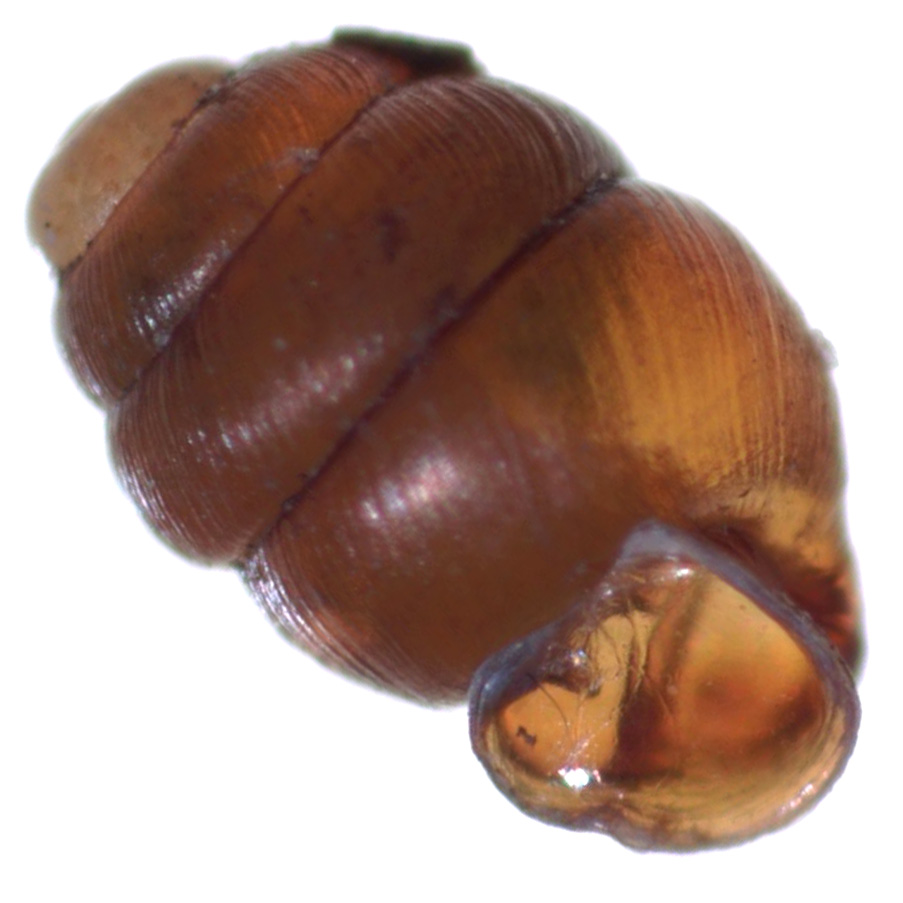

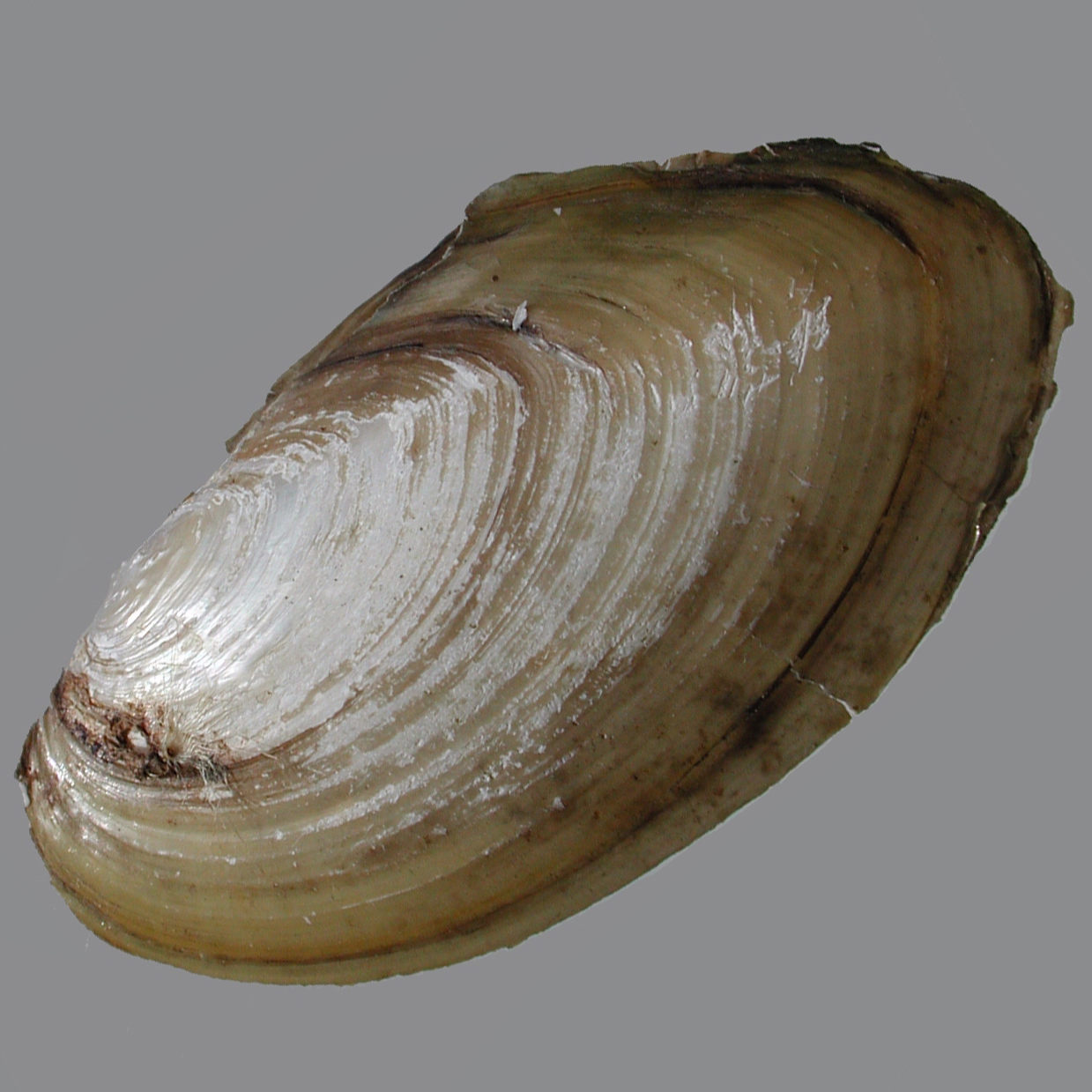
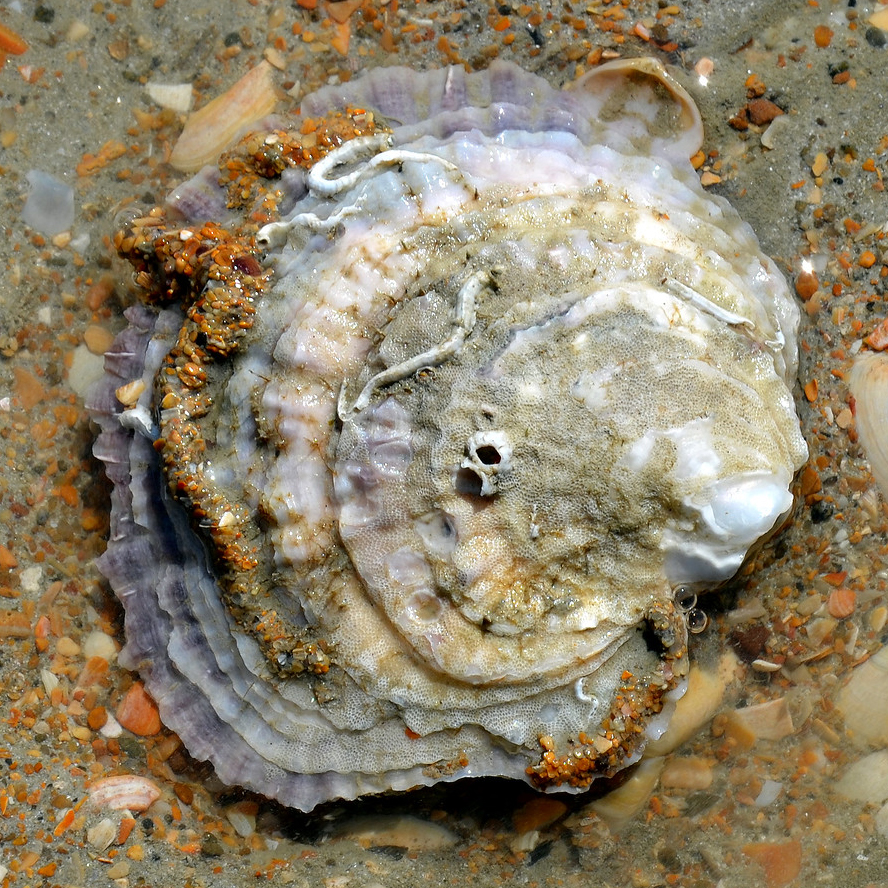
Over a ten-year period, Ian Killeen covered over 70% of the tetrads in Suffolk. The results of his survey (probably the most detailed in Britain) were published in The Land & Freshwater Molluscs of Suffolk. (1992).
Further information on recording and identification can be found on the Conchological Society website, and our own Species Identification Guides page is well worth a look.
Major Publications
- The Land & Freshwater Molluscs of Suffolk: An Atlas and History. I. Killeen (1992, SNS, out of print)
Papers from Suffolk Natural History
- Bivalve and Gastropod shells in the Red Crag – further discussion. H. Mottram (2019) vol. 55
- Strandline shells found on Stour estuary. G. Broad (2019) vol. 55
- Non-marine Mollusca survey, 1986. I.J. Killeen (1987) vol. 23
- Limax valentianus Ferussac (Mollusca: Limacidae) new to Suffolk. I.J. Killeen (1987) vol. 23
- The non-marine Mollusca of Suffolk. I.J. Killeen (1986) vol. 22
- Freshwater Mussels at Campsea Ashe. Earl of Cranbrook (1974) vol. 16
- A New Suffolk locality for the Snail Monacha cartusiana (Müller). M. Bishop & S. Bishop (1972) vol. 16
- A Contribution to the Census of the Non-marine Mollusca of Suffolk. H.E.J. Biggs (1969) vol. 14
- An Albino Ramshorn Snail. E. Eden (1965) vol. 13
- Mollusca of Bobbit's Hole. A.G. Davies (1954) vol. 9
- The Mollusca of Suffolk. (1938) vol. 4